
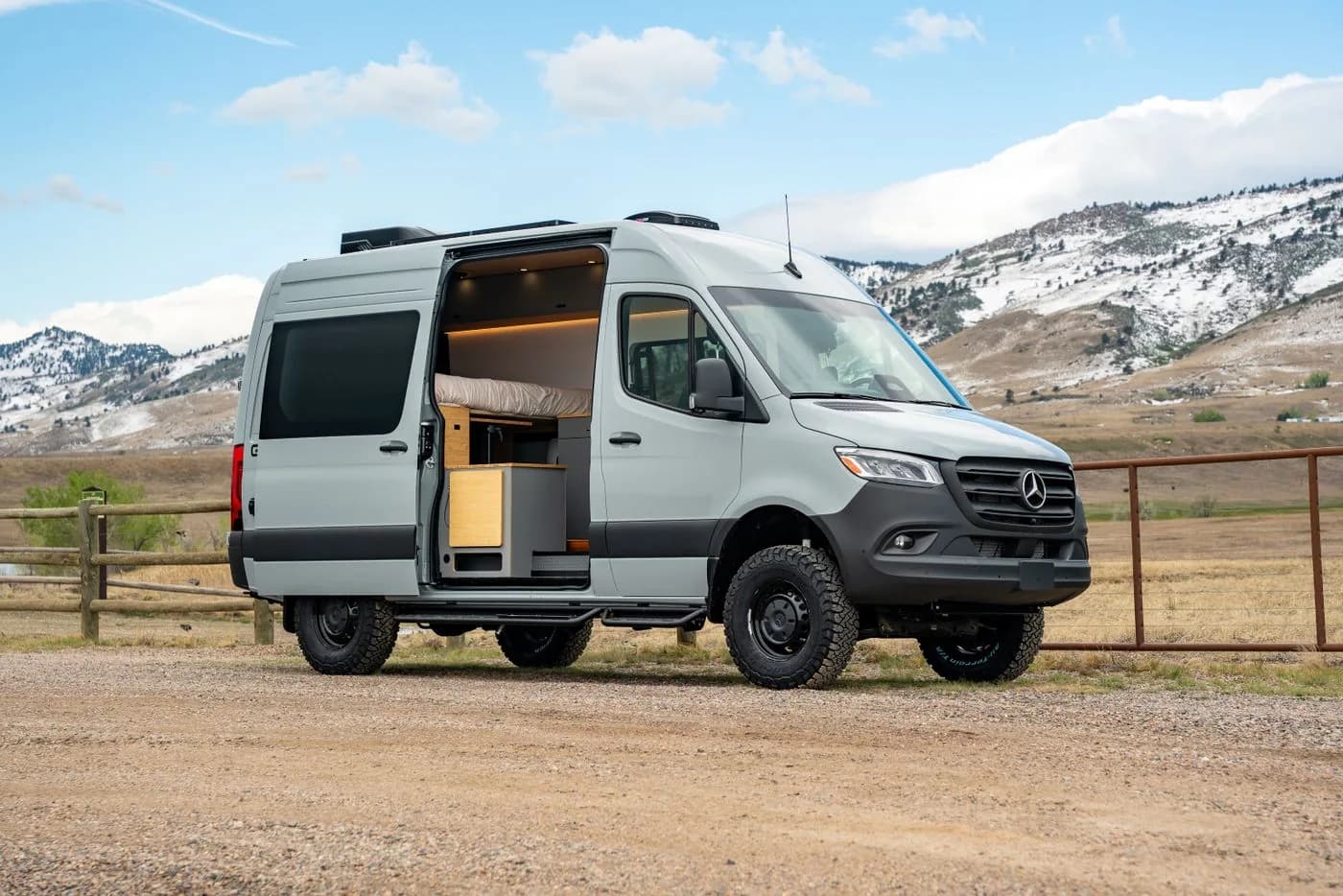
Camper Battery
A camper battery rides on the tongue of a travel trailer or in the box of a truck camper, out in the weather, and it runs the whole rig with no engine to help. We carry lithium camper batteries in the 12V sizes that campers and camper trailers use: group 24 and 27 drop-ins for a weekend, 200Ah and up for the people who stay out all week. Each one weighs about a third of the lead-acid battery it replaces, which your tongue weight notices before you do.
Deep Cycle Battery For Camper
 Deep CycleGroup 24
Dakota Lithium 12V 100Ah Deep Cycle Heated RV Battery
 Dual PurposeGroup 24
Dakota Lithium DL+ 12V 135Ah Dual Purpose RV Battery (1000CCA)
 Deep CycleGroup 25
Ionic Lithium 12V 60Ah Deep Cycle RV Battery with Bluetooth
 Deep CycleGroup 31
Ionic Lithium 12V 100Ah Deep Cycle RV Battery with Bluetooth
 Dual PurposeGroup 31
Ionic Lithium 12V 150Ah Dual Purpose RV Battery (1600CA)
Why Weight Matters More on a Camper
A motorhome carries its batteries in a bay. A camper carries them on the tongue, where every pound counts against the hitch rating and the tow vehicle. A lead-acid group 27 weighs about 60 pounds and a pair of them 120; the lithium battery for camper use that replaces the pair weighs 25 to 30, holds more usable power than both, and never needs water. That is the whole case in one number, and it is why lithium went into travel trailers before it went anywhere else in the RV world.
The Sizes Campers Actually Use
Most trailers ship with one battery box sized for a group 24 or 27, and a 12 volt camper battery in lithium drops into that box with the same terminals. A 100Ah pack covers a weekend of lights, water pump, furnace fan and a 12V fridge. Pop-ups and teardrops often need less. Trailers with a second box, or a truck camper with room in the compartment, step to a 200Ah single battery for a week off the grid without a generator. A deep cycle camper battery in LiFePO4 uses 80 to 100 percent of its rating, where lead-acid should stop near half, so the 100Ah lithium does the work of most 200Ah lead pairs.
Charging a Camper Battery From the Truck, Shore Power and Solar
The seven-pin trailer plug gives a camper battery a trickle, not a charge; it will hold a bank up on a long drive and that is all. To charge while towing, a DC-DC charger on the trailer side takes the alternator’s output and gives the battery a proper lithium profile. On shore power, the trailer’s converter needs a lithium setting, since lead-acid programs stop early and leave capacity unused; anything in our charger lineup with a LiFePO4 profile does the job. Solar needs nothing special beyond a controller with a lithium setting. Lithium discharges fine below freezing but should not be charged until the cells warm past about 32°F, so winter campers look at a heated pack.
We stock camper lithium from EPOCH and Dakota Lithium alongside the rest of our RV battery lineup. Every pack carries its full manufacturer warranty and ships from one of our U.S. warehouses closest to you.
Camper Battery FAQ
What size battery does my camper need?+-
A 12V 100Ah lithium covers a weekend of lights, water pump, furnace fan and a 12V fridge for most travel trailers. Pop-ups and teardrops often run on 50 to 100Ah. A week off the grid usually wants 200Ah. Add up your loads for your longest night, add 20 percent, or call 888-274-7544 and we will size it with you.
Can I use a marine battery in my camper?+-
Yes. A deep cycle marine battery and a deep cycle RV battery are the same construction with a different label on the case. Buy on group size, amp-hours and a lithium charge profile, and it will do the job in a camper.
How do I charge a camper battery while towing?+-
The seven-pin plug only trickles. Fit a DC-DC charger on the trailer side and the alternator charges the battery properly while you drive. On shore power use a converter with a lithium profile, and solar works through any controller with a lithium setting.
Will a lithium camper battery work in winter?+-
Discharging works well below freezing. Charging below 32°F needs a heated pack, which warms its own cells, or a warm place to charge. For winter storage, leave it charged and unplugged: LiFePO4 loses only a few percent a month and needs no tender.