
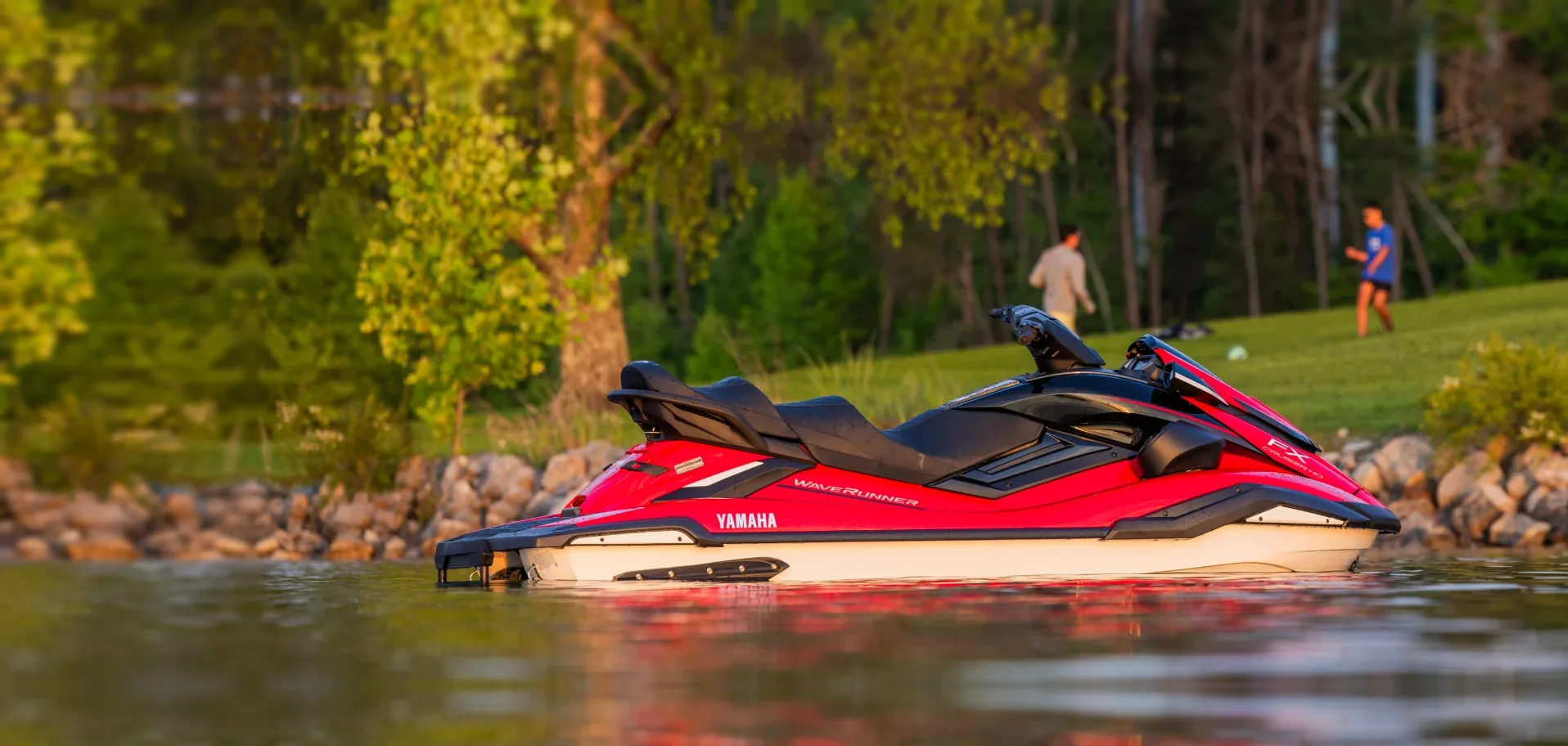
Jet Ski Battery
A jet ski battery spends its life in the worst place a battery can live: a sealed hull that bakes in the sun, gets sprayed with salt water, and sits for months every year. We carry the lithium jet ski battery that shrugs it off: sealed 12V LiFePO4 for Sea-Doo, Yamaha WaveRunner and Kawasaki hulls that cranks hard on the first press, holds its charge through the off-season, and weighs about 60% less than the lead-acid brick it replaces.
Jet Ski Batteries
 Dual Purpose
Dakota Lithium 12V Jet Ski Battery 25Ah DL+ (300CCA Dual Purpose)
 Starter
Antigravity ATX20-HD 12V Jet Ski Battery 780CA (30Ah Heavy Duty)
 Starter
Antigravity ATX20 12V Jet Ski Battery 680CA (w/ Re-Start)
 Starter
Antigravity ATX12 12V Jet Ski Battery 360CA (w/ Re-Start)
 StarterYTX12
Antigravity ATX12-HD 12V Jet Ski Battery 480CA (w/ Re-Start)
Every make on file
Pick your make for every ski we have on file, the OEM battery it takes and the lithium that fits it. The strip above finds it by year.
Jetski Batteries by Make: Sea-Doo, Yamaha WaveRunner and Kawasaki
Spell it jetski or jet ski, the questions are the same three: what case fits the tray, which side the terminals sit on, and how many cranking amps the engine wants. Most Sea-Doo, WaveRunner and Kawasaki hulls run an 18Ah to 20Ah class 12 volt battery, which is exactly the size the Dakota DL+ 25Ah replaces, with 300CCA for the start and 25Ah of deep cycle reserve for the audio and accessories newer skis carry. It is sealed against spray, mounts at any angle, and weighs 6.4 lb where the lead-acid it replaces runs 13 or more.
A Sea-Doo jet ski battery and a Yamaha WaveRunner battery usually share that same 18Ah to 20Ah class, and so do most Kawasaki Jet Ski and older Polaris hulls, but the tray depth, the hold-down and the terminal side differ by model year. Measure the tray against the 7.13" x 3.03" x 6.69" case, note which side the positive post needs to sit on, and if anything is unclear tell us the year, make and model at 888-274-7544 and we will confirm the battery for Yamaha WaveRunner, Sea-Doo or Kawasaki duty before you order.
Care is simpler than lead-acid. Charging a jet ski battery in lithium means a charger or maintainer with an explicit LiFePO4 profile, never a desulfating lead-acid charger. It holds about 97% of its charge a month, so a ski parked in October usually fires in May without a tender. Rinse the terminals after salt water like you would any battery, and expect 5,000 cycles instead of the two or three seasons a lead-acid PWC battery usually gives.
Jet Ski Battery FAQ
What size battery does a jet ski take?+-
Most Sea-Doo, Yamaha WaveRunner and Kawasaki hulls run an 18Ah to 20Ah class 12V battery. The Dakota DL+ 25Ah we carry replaces the common 18Ah and 20Ah sizes (UB12180, FM12180) in a 7.13" x 3.03" x 6.69" case. Measure your tray and terminal side, and call us at 888-274-7544 with the year, make and model to confirm.
How long do jet ski batteries last?+-
Lead-acid PWC batteries typically last two to three seasons, because they sulfate while the ski sits between rides. A LiFePO4 jet ski battery is rated for up to 5,000 cycles, loses only about 3% of its charge a month in storage, and the Dakota DL+ carries an 11-year warranty.
Which battery fits a Yamaha WaveRunner?+-
Most WaveRunner models take an 18Ah to 20Ah class 12V battery, the size the Dakota DL+ 25Ah replaces, but the tray and terminal side vary by year and model. Call us at 888-274-7544 with the year and model and we will confirm the battery for your Yamaha WaveRunner before you order.
Can I charge a jet ski battery with my old tender?+-
Only if it has a lithium mode. Use a charger or maintainer with an explicit LiFePO4 profile, because the desulfation pulses from lead-acid tenders damage lithium cells. Lithium barely self-discharges, so most owners store the ski all winter without a tender at all.
Is a lithium jet ski battery safe around salt water?+-
Yes. The pack is fully sealed with no liquid acid, mounts at any angle, and the case is rated for spray and vibration. Rinse the terminals after salt water rides, as you would with any battery, and keep the hull vented the way the manufacturer specifies.