

Honda NX650 Battery
1988–1989. The OEM battery case the NX650 takes and the lithium that drops into it, year by year. One case across the whole run.
1989 Honda NX650
- OEM battery
- YTX9-BSYuasa 2026 OEM guide
- Case family
- YTX912V starter case
- Fits all years
- 1988–1989same case every year
The Honda NX650 takes the YTX9-BS case. The Ionic S4 is a drop-in for that case: 500 cranking amps, 3.3 lb.
See the Ionic S4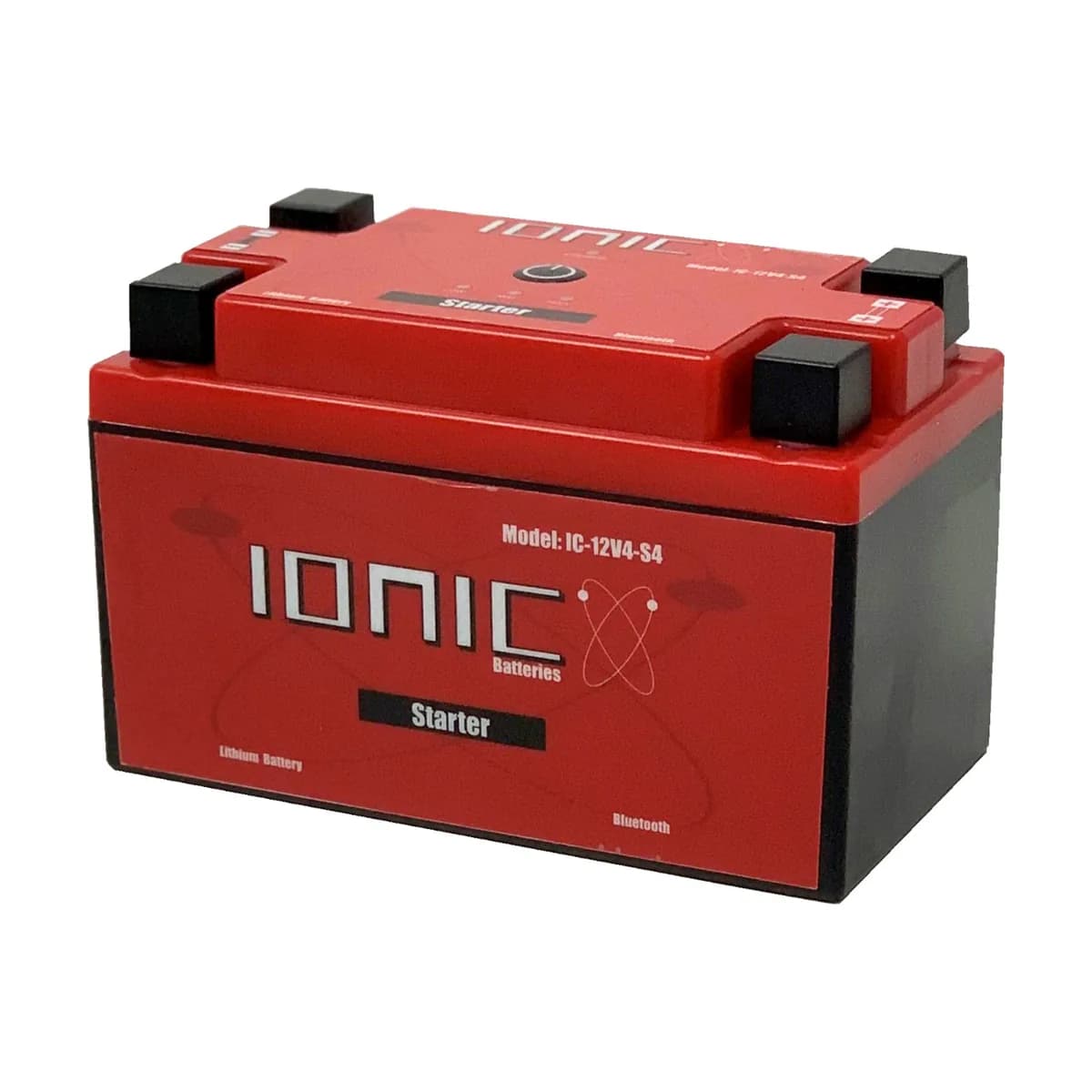
 StarterYTZ10
Antigravity ATZ-10 12V Dirt Bike Battery 360CA (w/ Re-Start)
 StarterYTZ10
Antigravity ATZ-10-HD 12V Motorcycle Battery 525CA (w/ Re-Start)
NX650 battery by model year
| Model years | OEM battery | Where it comes from | Lithium that fits |
|---|---|---|---|
| 1988–1989Your year · 1989 | OEM batteryYTX9-BS12V starter case | Where it comes fromYuasa 2026 OEM guide | Lithium that fitsIonic S4 Antigravity ATZ-10 RE-START Antigravity ATZ-10-HD RE-START |
Trim covered: NX650.
Shop all Honda Dirt Bike batteriesWhat the NX650 needs
Every NX650 from the first 1988 model through 1989 starts on the YTX9-BS case, a 12-volt starter battery. Honda ships it with a lead-acid battery that starts to fade after two or three seasons of short rides and off-season storage, and that is usually the day a rider goes looking for something better.
The lithium drop-in is the Ionic S4: 500 cranking amps, 3.3 pounds, the same case in lithium. Charge it with a lithium-compatible charger or maintainer for the off-season and it outlasts the lead-acid battery it replaces by years.